
Ultimate Guide to South African Gemstones

South Africa is one of the world’s richest sources of gemstones and minerals. Its geological diversity—particularly the widespread presence of pegmatites and ancient volcanic activity—produces an astonishing variety of crystals. Tourmalines, for instance, come in almost every colour; gemologists recognise trade names like rubellite, indicolite, and even watermelon tourmaline. Understanding local minerals helps buyers and collectors appreciate the origin, rarity, and properties of their stones.

Major South African Gemstones

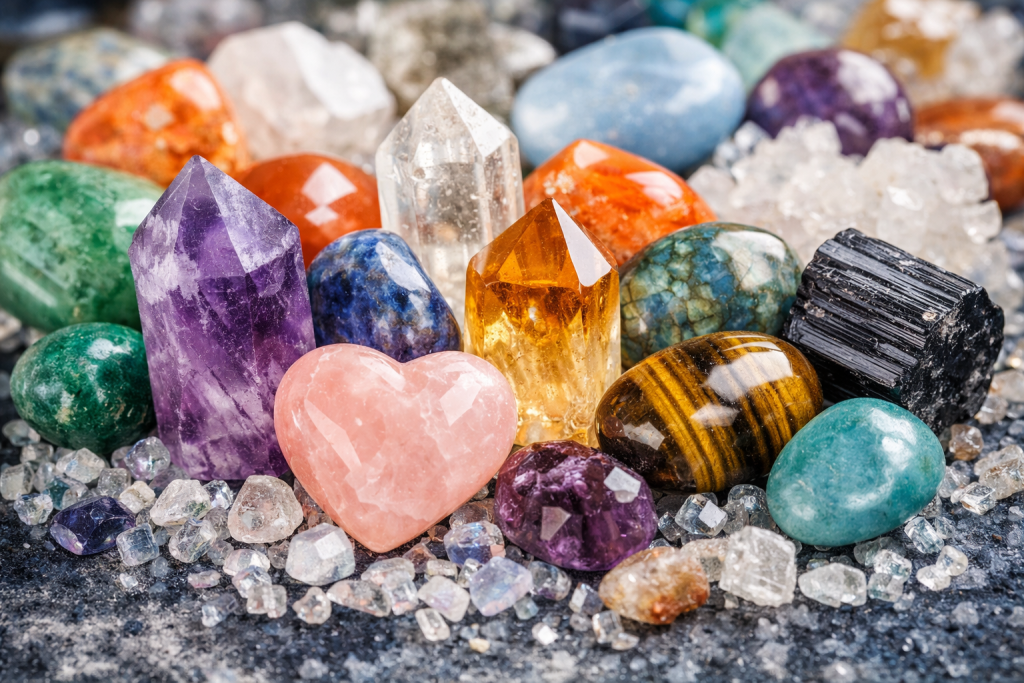
  • Amethyst (February Birthstone) – The purple variety of quartz is historically linked to the Greek word amethystos (“remedy against drunkenness”). Amethyst’s hues range from pale lilac to deep violet, and it symbolises clarity and personal strength.

  • Rose Quartz – Pale to deep pink, this quartz variety has been valued since at least 7000 BC. Known as the “love stone,” it is associated with compassion and emotional balance.

  • Citrine (November Birthstone) – Citrine’s yellow‑to‑orange colour comes from trace amounts of iron. Natural citrine is rare; most commercial stones are heat‑treated amethyst. Its cheerful colour makes it popular in jewellery and décor.

  • Tourmaline Varieties – Few minerals match tourmaline’s range of colours. “Rubellite” refers to reddish hues, “indicolite” to blue, and “chrome tourmaline” to vivid green. The black variety (schorl) is the most common and forms in igneous and metamorphic rocks.

  • Garnet – Often associated with deep reds, garnet actually occurs in many colours and symbolises positive emotions. It is durable and frequently used in both jewellery and industry.

Each stone’s colour spectrum, rarity and typical uses can be explored in detail on our individual stone pages (Amethyst Meaning, Rose Quartz Meaning, Citrine Meaning, Tourmaline Guide, etc.).

Many South African gemstones form in pegmatites—coarse‑grained igneous rocks rich in exotic elements such as lithium, boron and manganese. These elements cause different colours in minerals like tourmaline. Pegmatites often contain pockets that yield crystals of varying hues even within the same body. Schorl (black tourmaline) is particularly common, occurring as an accessory mineral in both igneous and metamorphic rocks. Understanding these geological processes explains why the region offers such a diverse spectrum of gemstones.
Geologic Context: Why So Many Colours?

Many South African gemstones form in pegmatites—coarse‑grained igneous rocks rich in exotic elements such as lithium, boron and manganese. These elements cause different colours in minerals like tourmaline. Pegmatites often contain pockets that yield crystals of varying hues even within the same body. Schorl (black tourmaline) is particularly common, occurring as an accessory mineral in both igneous and metamorphic rocks. Understanding these geological processes explains why the region offers such a diverse spectrum of gemstones.

Where Gemstones Come From in Africa


Africa accounts for roughly 19 000 gem variations—about half of the world’s gem turnover. The most prolific regions lie in southern and eastern Africa, stretching from Namibia and Zimbabwe through Mozambique, Malawi and Tanzania up to Kenya; Madagascar is part of this gemstone‑rich area known as the Neoproterozoic Mozambique Belt.

  • Madagascar – Geological continuity with the Mozambique Belt makes this island a powerhouse for ruby and sapphire discoveries. The island also yields tourmaline, aquamarine, chrysoberyl, andalusite, apatite, citrine, iolite and kyanite.

  • Tanzania – Famous for the unique blue‑violet tanzanite, Tanzania employs hundreds of thousands of miners; the country also produces rhodolite and tsavorite garnets and zircon.

  • Mozambique – One of the world’s top sources of Paraiba tourmaline, Mozambique produces tourmaline in a wide range of colours as well as high‑quality spessartite and red garnets.

  • Nigeria (West Africa) – Though outside the Mozambique Belt, Nigeria is a significant producer of blue sapphire, abundant tourmaline, pyrope and almandine garnets, aquamarine and topaz.

Understanding these regions helps buyers trace gemstones back to their source and appreciate the geological diversity of African gems.

African Crystals & Minerals of South Africa

South Africa’s mineral wealth goes beyond its famous diamonds and gold. The country hosts an array of coloured minerals and crystals, many of which are prized by collectors and artisans. Below is a curated selection (not exhaustive) highlighting the diversity of South African minerals, drawn from the GemologyAfrica mineral guide:

  • Quartz familyAmethyst (purple quartz), citrine (brass‑yellow to orange) and agate (banded chalcedony in blue, brown, grey, red and more) illustrate the variety of quartz minerals.

  • Feldspar groupAmazonite is a blue‑green feldspar often cut into cabochons; buddstone is a green variety used for carvings.

  • Copper mineralsCopper itself appears in native metallic form. Ore minerals such as chalcopyrite (brass‑yellow) and chalcocite (grey, monoclinic) occur in local mines.

  • Calcite & CarbonatesCalcite shows numerous colours (black, blue, brown, green, orange, yellow and more); celestine is typically blue or white; aragonite occurs in brown, green, white and yellow acicular or tubular crystals.

  • Phosphates & silicatesApatite may be blue, green, pink or yellow; beryl includes aquamarine (blue-green), heliodor (yellow) and morganite (pink).

  • Sulphides & OthersBornite (“peacock ore”) is a metallic copper ore with iridescent colours; barite (baryte) occurs in blue, brown, grey, white and yellow crystals; vanadinite forms red to yellow hexagonal crystals.

These minerals represent only a fraction of South Africa’s geological treasures. Collectors will also encounter minerals like chalcedony, carnelian, analcime, clino-zoisite and vanadinite, each adding to the tapestry of African crystals.

Mohs Hardness Table

Gemstone hardness influences how it can be worn or used. The Mohs scale ranks minerals by their resistance to scratching. Use this table to compare stones when choosing jewellery:

Mineral/GemstoneHardness (Mohs)Notes
Diamond10Hardest natural material. Ideal for daily wear.
Corundum (Ruby/Sapphire)9Extremely durable.
Topaz8Relatively tough but can chip.
Quartz (including Amethyst, Citrine, Rose Quartz)7Suitable for jewellery; avoid storing with harder stones.
Orthoclase (Feldspar)6More prone to scratches.
Apatite5Fragile; best for pendants.
Fluorite4Soft; mainly for collectors.
Calcite3Easily scratched.
Gypsum (Selenite)2Very soft; decorative use only.
Talc1Not used in jewellery.

Further Reading

To deepen your knowledge, explore these related pages:

Each guide discusses the stone’s history, physical properties, symbolism, and care tips.

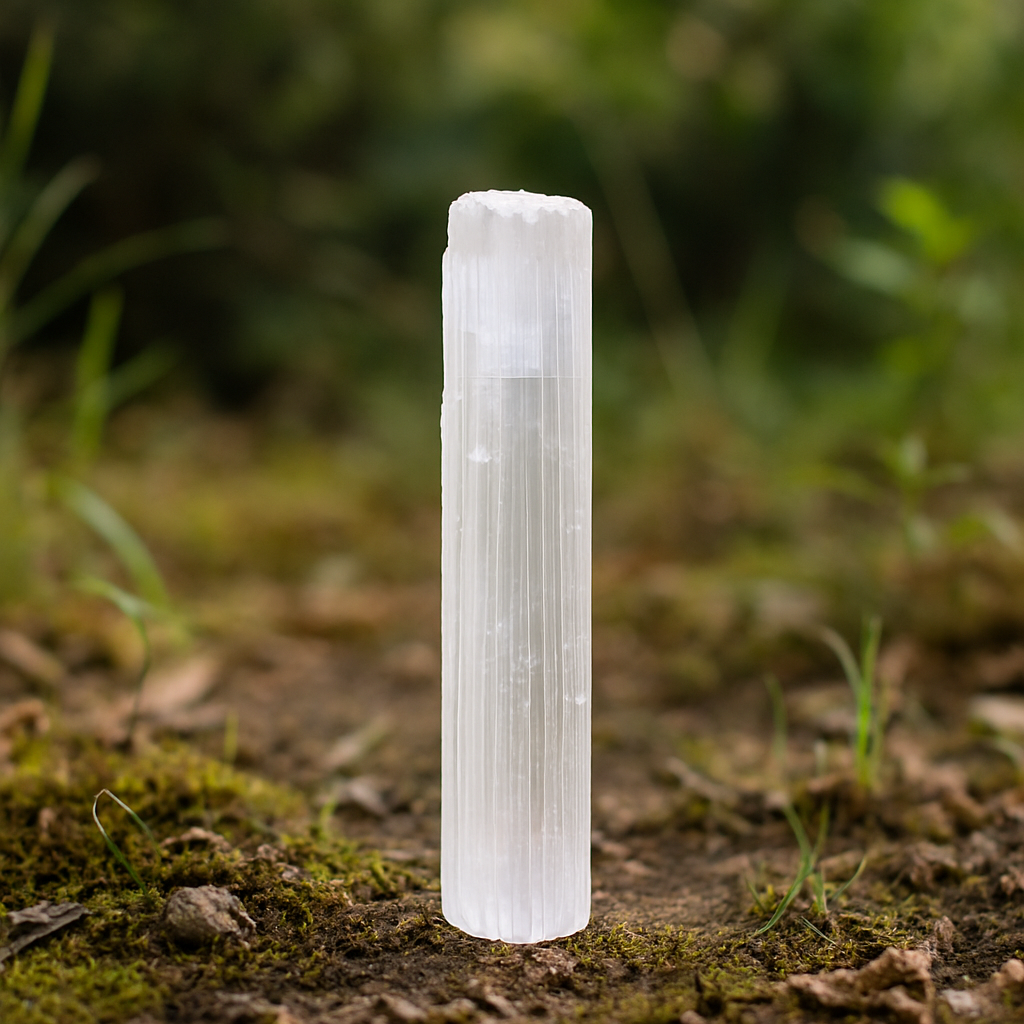
Authentic natural selenite sticks for energy cleansing, chakra healing & crystal charging. Perfect for meditation, home protection and spiritual wellness.

Visit Us & Experience Gemstones First‑Hand

There’s no better way to appreciate these natural treasures than by seeing them in person. Book a Mapatiza underground mine tour to witness colorful gemstone passages, learn how stones are extracted and processed, and browse our showroom filled with crystals, carvings and jewellery. Whether you’re a collector, jeweller or curious visitor, our team is ready to share South Africa’s gemstone heritage with you.

Ready to explore? Plan your visit and begin your gemstone journey today!

Shopping Basket