
How to Identify Real Gemstones
Introduction: Natural vs. Synthetic
Both natural and synthetic gemstones share identical chemical compositions and crystal structures. The difference lies in their origin: natural gems form over millions of years inside the earth, while synthetic stones are grown in laboratories under controlled conditions. Because they grow in ideal environments, lab‑created stones often show fewer inclusions and more vivid colours than natural stones. Although synthetics are chemically “real,” they aren’t considered natural and should be clearly labelled. Knowing how to spot natural characteristics—such as inclusions, weight and hardness—helps protect buyers from fakes and imitations.
Common Tests for Authenticity
Below are simple techniques that can help you gauge a stone’s authenticity. These tests are indicative, not definitive; professional gemological testing is recommended for certainty.
Examine Inclusions with a Loupe: Microscopic inclusions—tiny crystals, cavities or gas bubbles—occur naturally within gemstones. Using a jeweller’s loupe or microscope to inspect these inclusions is one of the most important methods for gem identification. Genuine stones often have small imperfections, while synthetics or glass imitations may appear flawless.
Check Weight and Density: Real gemstones are usually denser and heavier than glass or plastic imitations. Hold the gem in your hand or use a digital scale; a lighter-than-expected weight can signal a fake.
Assess Sparkle and Color: Each gemstone has a unique refractive index, producing characteristic brilliance. Fakes often look dull or, conversely, too shiny and uniform. Natural stones also display slight colour variations, whereas synthetics may be overly vivid and consistent.
Test Hardness (Mohs Scale): The Mohs scale ranks minerals from diamond (10) down to talc (1). For example, diamond can scratch glass while softer imitations cannot. Scratch tests should be done carefully to avoid damaging the stone.
Feel Temperature: Genuine gems tend to feel cool to the touch and take longer to warm in your hand. Glass or plastic warms up quickly.
Look for Bubbles: Tiny air bubbles are common in glass imitations. Under magnification, bubbles arranged in clusters or lines may indicate a man‑made material.
Ask for Documentation: Reputable sellers provide gemological certificates from labs such as GIA or IGI. Certificates disclose the gem’s identity, quality, treatments and sometimes origin.
Heat Treatments & Enhancements
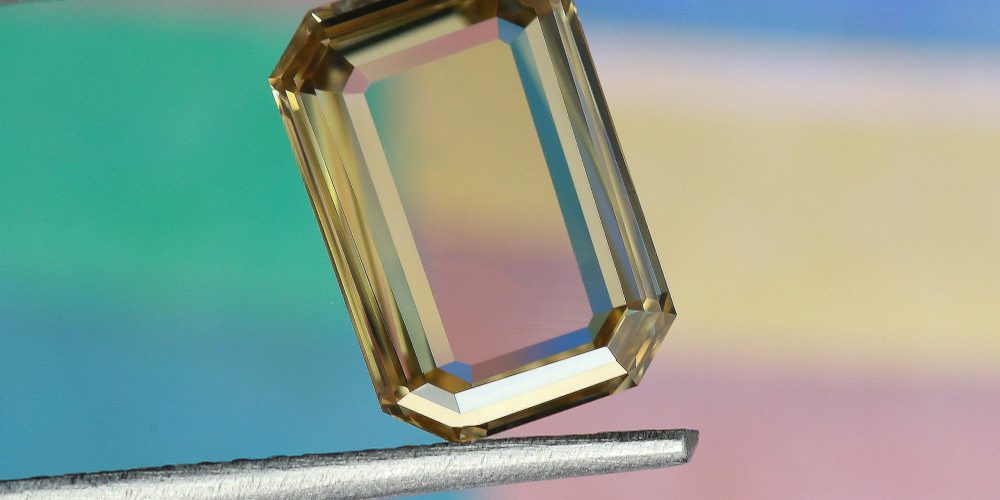
Many gemstones are routinely heat‑treated to improve their colour or clarity. For example, amethyst turns yellow when heated to ~450 °C, creating what is sold as citrine; most commercial citrine on the market is actually heated amethyst. Heat treatment alters the stone’s chemical composition (often reducing iron content) and is used widely on rubies, sapphires and aquamarine. These enhancements are accepted in the trade, but stones should always be disclosed as treated. Other enhancements include dyeing, irradiation and fracture filling; these processes can affect value and care requirements.
Lab Reports & Certificates
A gemological report is the most reliable way to verify a stone’s authenticity. Leading laboratories (e.g., GIA, IGI) test stones for identity, treatments and—in some cases—origin. Reports typically include:
Gem type and variety (e.g., natural sapphire, lab‑grown ruby).
Measurements and weight.
Cut and clarity grade.
Color description.
Treatment disclosure (heat, irradiation, dye, etc.).
Comments on geographical origin, if determinable.
When shopping, request a certificate for high‑value stones and confirm the lab’s credibility.
Ethical Considerations
Purchasing from a trustworthy seller reduces the risk of buying misrepresented gems. Ask questions about the stone’s origin, treatments and whether it is natural or synthetic. Vendors should be transparent and provide detailed product descriptions, certificates and return policies. Our shop prides itself on clearly labelling lab‑grown vs. natural stones and disclosing any treatments. For complicated identifications, we work with accredited gemological laboratories.
Explore Africa’s largest gemstone showroom


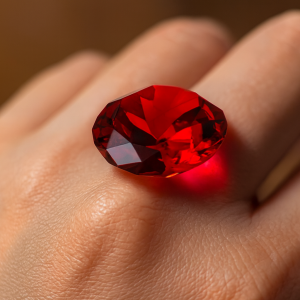
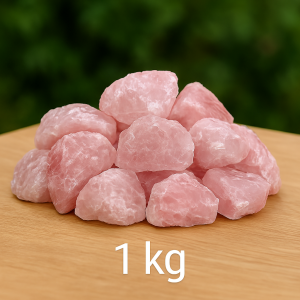
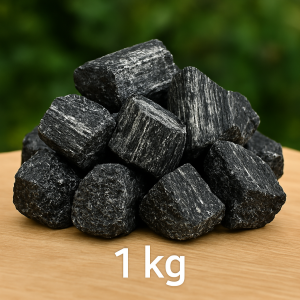
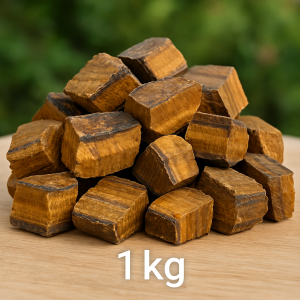
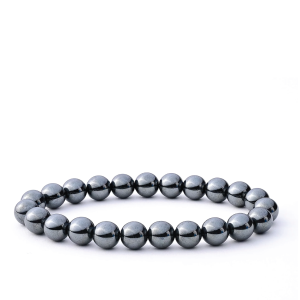
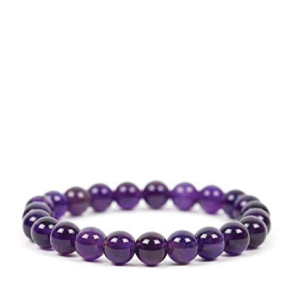

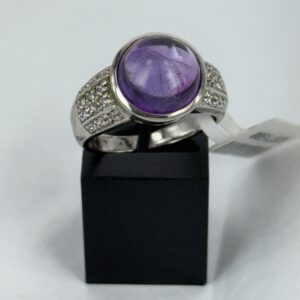
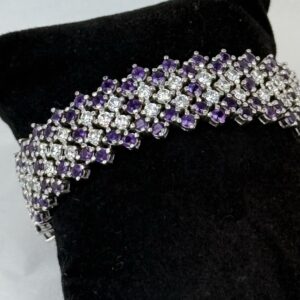



While synthetic stones can be beautiful, they aren’t considered natural. Our collection focuses on authentic, earth‑formed gems sourced responsibly from our own mine and trusted partners.