
Birthstones Chart
Overview
For centuries, people have associated particular gemstones with the months of the year. These birthstones are thought to bring good fortune, celebrate milestones and express personal identity. Traditions vary across cultures and time periods, but organisations such as the American Gem Society (AGS) and the Gemological Institute of America (GIA) popularised a standard list in the early 20th century. Note that some birthstones also have synthetic counterparts: lab‑grown gems share the same chemical and optical properties as natural stones, but they are not considered natural. In the guide below, we focus on the traditional and modern birthstones recognised by GIA, linking each stone to a dedicated page for deeper learning and shopping.
Birthstone Chart
| Month | Stone(s) & Colour(s) | Key Meanings |
|---|---|---|
| January | Garnet (red, green, orange) | Positive emotions, protection |
| February | Amethyst (purple) | Clarity, sobriety, empowerment |
| March | Aquamarine (blue-green), Bloodstone (dark green with red) | Calm seas & happiness; strength & vitality |
| April | Diamond (colourless) | Hardness, brilliance, strength, scintillation |
| May | Emerald (green) | Rebirth, renewal, spring |
| June | Pearl (white, cream), Moonstone (milky), Alexandrite (colour-changing) | Purity & innocence; love & intuition; rare colour-change magic |
| July | Ruby (red) | Love, passion, courage |
| August | Peridot (lime green), Spinel (various), Sardonyx (brown-red bands) | Protection & healing; harmony & revitalisation; courage & happiness |
| September | Sapphire (blue and other colours) | Nobility, truth, faithfulness |
| October | Opal (iridescent), Tourmaline (multi-colour) | Inspiration, hope; artistic expression & colour variety |
| November | Topaz (many colours), Citrine (yellow to orange) | Calm, fortune, warmth |
| December | Turquoise (blue-green), Tanzanite (velvety blue-violet), Zircon (colourful) | Protection & health; transformation & new beginnings; brilliance & multicoloured fire |
January – Garnet
Garnet comes in an extraordinary range of colours—from the deep reds most people know to greens, oranges and even blues. This diversity is reflected in its symbolism: the January birthstone is mined around the world and is said to foster positive emotions and protection. Explore varieties like pyrope, almandine and tsavorite on our garnet guide.
February – Amethyst
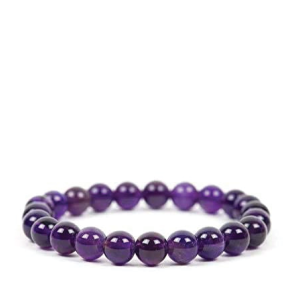
Amethyst is the purple variety of quartz. Historically, it was thought to prevent drunkenness and sharpen the mind. Modern meanings emphasise clarity, sobriety and personal empowerment. Our amethyst meaning page explains why this stone, once reserved for royalty, is now beloved and affordable.
March – Aquamarine & Bloodstone
Aquamarine: Its name comes from the Latin for “seawater,” and ancient mariners believed it calmed waves and kept sailors safe. Aquamarine is also associated with happiness in marriage and intellectual clarity.
Bloodstone: Also known as heliotrope, bloodstone is a dark green jasper with red iron‑oxide inclusions. In ancient lore, some believed placing the gem in water would turn the sun red; the red spots were thought to represent the blood of Christ. Bloodstone symbolises vitality, courage and protection.
April – Diamond
April’s birthstone is the diamond, nature’s hardest material (10 on the Mohs scale). Diamonds are prized for their exceptional brilliance and scintillation, making them enduring symbols of strength and eternal love. Learn more in our diamond guide.
May – Emerald
Emerald’s lush green colour evokes rebirth and renewal, mirroring the splendor of spring. Ancient cultures revered it as the stone of fertility and vitality. Our emerald page delves into its history with Cleopatra and its modern allure.
June – Pearl, Moonstone & Alexandrite
Pearl: Associated with purity, humility and innocence; pearls embody “sweet simplicity” and were traditional wedding gifts.
Moonstone: Known for its shimmering adularescence, moonstone has long been linked to lunar deities and is believed to bring love, passion, fertility and luck.
Alexandrite: A rare variety of chrysoberyl, alexandrite famously changes colour—green or blue in daylight and red to purple in incandescent light. Discovered in Russia’s Ural Mountains and named for future Tsar Alexander II, it mesmerises with its duality.
July – Ruby
The ruby is the red variety of corundum; its name comes from the Latin ruber (red). Called the “King of Coloured Stones,” ruby symbolises love, passion and courage. Historically prized by royalty and warriors, rubies are the gem of power and protection.
August – Peridot, Spinel & Sardonyx
Peridot: The yellowish‑green variety of olivine, peridot forms under extreme conditions—in lava flows and meteorites. The Arabic word faridat (gem) gave it its name. It has long been used as a protective talisman.
Spinel: Named from the Latin spina (thorn), spinel comes in many colours and has often been mistaken for ruby; the famous Black Prince’s “ruby” is actually a spinel. It is believed to promote harmony and revitalisation and is given for 22nd wedding anniversaries.
Sardonyx: A layered stone combining sard and onyx, sardonyx displays bands of brownish red and white or black. Ancient Romans used it for seals and cameos. Sardonyx is associated with courage, happiness and clear communication.
September – Sapphire
Sapphires have long symbolised nobility, truth, sincerity and faithfulness. Blue sapphires decorated the robes of royalty and clergy, and ancient Greeks and Romans believed they protected wearers from envy and harm. While blue is the most famous colour, sapphires appear in nearly every hue except red (which would be ruby). Discover more on our sapphire page.
October – Opal & Tourmaline
Opal: According to ancient Greek lore, opals formed from lightning and were thought to grant prophecy and protection. Europeans later viewed opal as a symbol of purity, hope and truth. Opal is prized for its play‑of‑colour and iridescent beauty.
Tourmaline: The newer October birthstone derives its name from the Sinhalese toramalli (“stone with mixed colours”), reflecting its unparalleled colour palette. Ancient mystics believed tourmaline inspired artistic expression. Rubellite (red), chrome (green), and paraíba (neon blue‑green) are among the most coveted varieties.
November – Topaz & Citrine
Topaz: This gem occurs in colourless, light blue, yellow, orange, pink, violet, brown and rare red hues. The word topaz may derive from Sanskrit tapas (“fire”), and ancient Greeks believed it imbued strength. For centuries, it was thought to dispel anger and magic spells.
Citrine: A transparent yellow to brownish orange variety of quartz, citrine has been used in jewellery for thousands of years. It has often been confused with topaz, and people once attributed topaz’s protective powers to citrine. Most commercial citrine is heat‑treated amethyst, making it an affordable and cheerful gem.
December – Turquoise, Tanzanite & Zircon
Turquoise: This December birthstone has long been believed to ensure health and good fortune. Starting in the 13th century, people thought turquoise protected riders from falling and would break before disaster. Native American tribes considered turquoise sacred, and Tibetans treasure it for health, good fortune and protection.
Tanzanite: A relative newcomer, tanzanite was identified as blue zoisite in 1962 and later named after Tanzania, its sole source. Tiffany & Co. popularised it in the late 1960s. Tanzanite’s “velvety” colour ranges from rich blue to violet, and it symbolises transformation and new beginnings.
Zircon: The word “zircon” may come from Arabic zarkun (“cinnabar”) or Persian zargun (“gold coloured”). Colourless zircon is prized for its brilliance and fire, often confused with diamond. During the Middle Ages, zircon was thought to induce sleep and scare off evil spirits. In Hindu tradition, zircon is part of the navaratna, a set of nine gems believed to bring wealth, wisdom and health.
Gift Ideas & Shopping Tips
Jewellery: Celebrate birthdays and anniversaries with rings, pendants or earrings featuring the appropriate birthstone. For example, a rose quartz heart pendant makes a lovely October gift, while amethyst jewellery suits February birthdays.
Crystal Specimens: Raw or polished stones make thoughtful desk ornaments or meditation tools.
Commemorative Sets: Consider a birthstone bracelet with charms representing family members’ birth months.
When shopping, pay attention to authenticity. Some birthstones are available in synthetic forms; lab‑grown gems share the same properties as natural stones but originate in a laboratory. Read product descriptions carefully and refer to our How to Identify Real Gemstones guide for tips on spotting treatments and imitations.
Explore Africa’s largest gemstone showroom

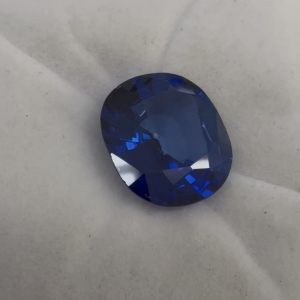

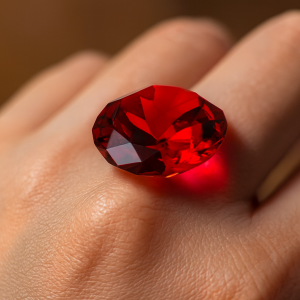
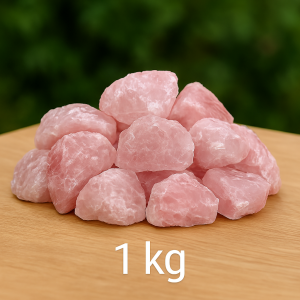
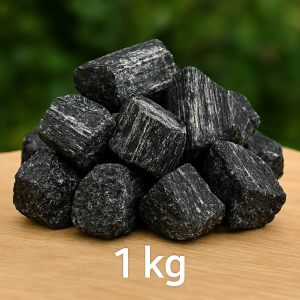
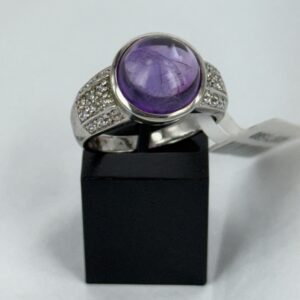
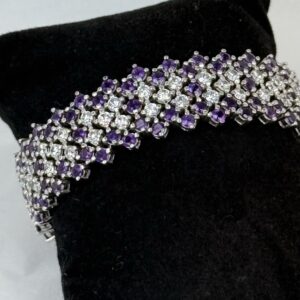
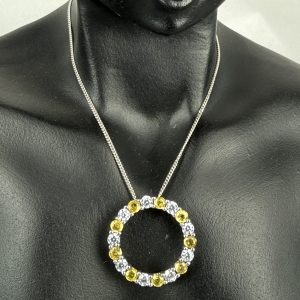


While synthetic stones can be beautiful, they aren’t considered natural. Our collection focuses on authentic, earth‑formed gems sourced responsibly from our own mine and trusted partners.
Why Buy from Us?
Our mine‑to‑market approach sets us apart. At our Mapatiza underground gemstone mine in Midrand, visitors can tour colourful underground passages and see the mine‑run where African gemstones are sorted and polished. After the tour, the adjacent showroom offers loose gemstones, crystals, beads, carvings and finished jewellery. This unique experience allows you to witness how gems are sourced and processed before purchasing, giving you confidence in their origin and authenticity.
Trust & Authenticity
We understand that buying gemstones can feel intimidating. Here’s how we ensure trust:
Authenticity guaranteed – We sell only natural stones unless clearly labelled as lab‑grown. Lab‑created gems have identical properties to natural stones but a human‑directed origin.
Transparency – Each product listing provides details about the stone’s origin and any treatments.
Education – Learn how to spot real vs. fake gems on our How to Identify Real Gemstones page.
Certificates – High‑value stones include certificates of authenticity from reputable gemological laboratories.
Call to Action
Ready to find your perfect gemstone? Browse our online catalogue for immediate purchase, or plan a visit to our mine and showroom for a hands‑on experience. Whether you’re a seasoned collector or shopping for a meaningful gift, our knowledgeable team is here to help you choose ethically sourced, genuine gems that will be treasured for generations.
Shop Bracelets Collection
Discover beautifully crafted bracelets with healing powers.
Shop Necklace Collection
We have a wide variety of Healing Gemstone Necklaces.
Shop Chakra Collection
Translates to “wheel” or “circle”.They balance all parts of your body.